
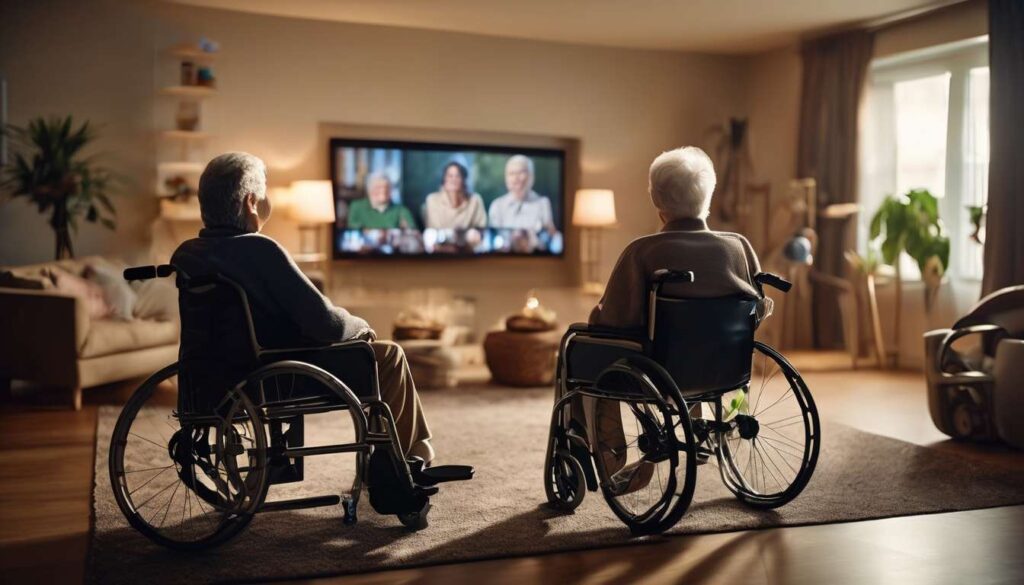
Perhaps we once thought choices in adult entertainment were limited to what was easiest to access.
But today we see a striking contrast: rigid, exclusionary formats versus expanding, inclusive options designed for varied needs.
We recognize that accessibility improvements are not mere add-ons; they are transformative.
- These include:
- captions,
- audio descriptions,
- adaptable interfaces,
- privacy-conscious delivery.
These changes reshape who can participate in intimate media and challenge assumptions about audience homogeneity.
As advocates, consumers, and creators, we observe how developments push the industry toward diversity in both content and access.
We believe broadening viewing options empowers people with disabilities, older adults, and anyone seeking discreet, customizable experiences.
This shift invites us to reconsider standards of:
- design,
- consent,
- representation.
It also calls on platforms, producers, and policymakers to collaborate.
Together, we can ensure that adult media evolves responsibly, ethically, and inclusively—expanding pleasure and agency without sacrificing dignity or safety.
Why Accessibility Matters
We need to make adult films accessible so everyone, including people with disabilities, can participate, enjoy, and benefit from them.
Accessibility isn’t optional — it’s a core part of creating media that welcomes all of us.
When we design with accessibility in mind, we expand who can connect, learn, and find pleasure without barriers.
Providing captions and audio description is essential so people who are deaf, hard of hearing, blind, or visually impaired can follow dialogue, sound cues, and scene context.
Producing inclusive content that reflects diverse bodies, orientations, and abilities helps viewers feel seen and respected.
Accessibility improves user experience for many, not just a few, and fosters a community where participation is possible for everyone.
By committing resources and listening to people with disabilities, we can make sure adult films serve a broader audience ethically and thoughtfully.
That commitment strengthens trust, broadens reach, and affirms belonging for all viewers.
Captions and Subtitles
We always add accurate, well-timed captions and subtitles so deaf and hard-of-hearing viewers can follow dialogue, sound effects, and nonverbal cues.
We believe captions and subtitles are essential elements of accessibility that make viewing welcoming for everyone.
We caption with care, including:
- Labeling speaker changes.
- Describing meaningful background noises.
- Preserving tone so viewers don’t miss context or emotional nuance.
We present captions in readable formats, offering:
- Readable fonts.
- Adjustable sizes.
- High-contrast colors to match personal needs and preferences.
We coordinate captions with audio description to create truly inclusive content and to avoid overlap and confusion.
We test and refine captions by:
- Testing across devices.
- Soliciting feedback from Deaf and hard-of-hearing community members to improve accuracy and cultural relevance.
We commit to transparent processes and ongoing improvement, including:
- Clear error-correction pathways.
- Ongoing training for captioners.
By centering accessibility in our subtitling practices, we build a space where people from diverse backgrounds feel seen, respected, and confident that the content was made with them in mind.
Audio Description Benefits
Audio description gives blind and low-vision viewers clear, concise visual context so they can fully understand settings, actions, and nonverbal cues.
We know accessible storytelling matters. Audio description turns visual detail into rich narration that preserves pacing and tone without interrupting dialogue.
When paired thoughtfully with captions and audio description, scenes become multisensory experiences that welcome more viewers into the story.
We’re committed to accessibility because it strengthens community: people who’ve felt excluded can join conversations and enjoy shared media.
Audio description helps convey costume, facial expression, physical interaction, and scene transitions—elements that shape character and consent dynamics—so everyone can assess context and intent.
Delivering inclusive content also signals respect for diverse needs and builds trust between creators and audiences.
We’ll prioritize high-quality descriptions written by knowledgeable humans, integrated cleanly into playback options, so viewers can choose what fits them.
That practical focus keeps our work useful, respectful, and truly inclusive.
Adaptable User Interfaces
We’ll design adaptable user interfaces that let viewers customize layout, controls, and feedback to match their needs and comfort.
We’ll create menus that scale fonts, rearrange buttons, and switch contrast so everyone feels at home while choosing inclusive content.
Our interface will let users toggle accessibility features like captions and audio description with one touch, save profiles, and share preferred settings with trusted companions.
We’ll offer simplified control modes and advanced options so people with varying dexterity or sensory needs can participate equally.
Tooltips, clear icons, and consistent navigation will reduce frustration and build confidence.
We’ll include community-driven presets reflecting diverse preferences, reinforcing that viewers belong and matter.
Privacy-sensitive syncing of preferences across devices will respect boundaries while maintaining convenience.
By centering real user feedback, we’ll iterate interfaces that prioritize clarity, reduce barriers, and celebrate diverse ways of watching.
This approach ensures more people can access and enjoy adult movies as part of a welcoming, respectful viewing community.
Privacy-First Delivery
We will deliver adult movies in ways that minimize data collection, keep viewing habits private, and give users clear, easy control over what gets stored or shared.
We design delivery so personal profiles, watch histories, and recommendations can be turned off or deleted with one tap.
We will not require unnecessary personal details to access accessibility features.
We use on-device processing whenever possible so captions and audio description can be enabled without sending transcripts to servers.
When cloud processing is needed, we will:
- Encrypt data in transit and at rest.
- Retain data only as long as users choose.
- Provide transparent logs of what was used and why.
We build defaults that protect anonymity while supporting inclusive content discovery because privacy helps people feel safe, seen, and included.
We welcome feedback and make settings plain-language and reachable so everyone in our community can control their viewing experience without trade-offs between accessibility and privacy.
Inclusive Content Creation
We’ll partner with creators and performers to ensure scenes, scripts, and production practices reflect diverse bodies, abilities, languages, and contexts.
We commit to collaborative workshops where talent and crew co-create narratives that honor identity and consent, building trust and a shared sense of belonging.
We’ll prioritize accessible sets and scheduling, so participation isn’t limited by mobility, sensory needs, or caregiving responsibilities.
We’ll embed accessibility from concept to final cut:
- Clear metadata to improve discoverability and accurate content warnings.
- Captions and audio description added during post-production.
- Multiple-language options so viewers can connect in their preferred tongue.
We’ll train writers and directors in respectful representation, and we’ll involve consultants with lived experience to avoid tokenism.
We’ll measure impact by:
- Audience feedback collection and analysis.
- Inclusive content audits to identify gaps.
- Adjusting practices when gaps appear.
We’ll celebrate diverse pleasure and intimacy onscreen while ensuring technical and creative choices let everyone engage fully.
By centering accessibility and co-creation, we make space for more people to see themselves reflected and to enjoy work that’s made with care.
Policy and Platform Roles
Policy and enforcement framework.
We’ll define clear platform policies and enforcement roles to ensure creators, performers, and users can rely on consistent standards for safety, consent, and equitable access.
Accessibility requirements for uploads.
We’ll set expectations that prioritize accessibility across workflows, requiring captions and audio description options as part of upload requirements and tagging.
Moderation and remediation roles.
We’ll appoint moderators and accessibility liaisons who:
- review materials,
- offer remediation guidance,
- enforce timelines for fixes when content lacks required features.
Transparent reporting and accountability.
We’ll create transparent reporting channels so community members can flag inaccessible or non-consensual content without fear, and we’ll commit to timely, accountable responses.
Support for creators.
We’ll provide creators with:
- templates,
- training,
- tool recommendations
to produce inclusive content that meets platform criteria.
Policy updates and compliance metrics.
We’ll publish periodic policy updates and clear metrics on compliance so everybody understands norms and responsibilities.
Expected outcome.
By embedding accessibility and respect into platform rules and roles, we’ll build a welcoming environment where creators and viewers from varied backgrounds feel seen, safe, and empowered to participate.
Measuring Impact
We’ll track clear, measurable indicators to assess how well our accessibility policies are working.
Indicators include:
- caption uptake
- audio-description availability
- remediation turnaround
- user satisfaction
We’ll gather both quantitative and qualitative data.
Quantitative data will include:
- percent of titles with captions and audio description
- time-to-fix accessibility gaps
- viewer engagement metrics
Qualitative data will include:
- feedback from community members who rely on these features
We’ll set targets that reflect our commitment to inclusive content and review progress quarterly.
We’ll measure reach by tracking diverse user cohorts to ensure metrics reflect varied needs and avoid one-size-fits-all assumptions.
We’ll report transparently, sharing successes and areas that need work, and invite community-led audits so people feel heard and responsible for outcomes.
We’ll iterate policy and practice based on results, prioritizing fixes that increase access fastest.
By centering accessibility in our metrics and fostering collaborative review, we’ll build a platform where everyone belongs and can find, enjoy, and trust the content they choose.
How do accessibility features affect streaming quality and data usage for viewers with limited bandwidth?
We’re asking how accessibility features affect streaming quality and data use for viewers with limited bandwidth.
Captions and audio descriptions add minimal additional data.
High-bitrate sign language overlays and multiple audio tracks can increase usage.
We’ll prioritize adaptive bitrate streaming and offer lower-quality accessibility variants.
We’ll let viewers choose which features to enable so they can stay connected without wasting data or losing core viewing quality.
Are there industry standards or certifications that indicate a film or platform meets accessibility best practices?
We evaluate industry standards and certifications for accessibility best practices.
Recognized guidelines:
- WCAG (Web Content Accessibility Guidelines) for web content.
- PDF/UA for accessible PDFs and document structures.
- Platform-specific guidance (e.g., iOS and Android accessibility frameworks).
Certifications and audits:
- Certifications and badges from recognized organizations (examples include FCC accessibility programs and platform accessibility badges).
- ADA-related audits and reports conducted by qualified evaluators.
- Third-party accessibility audit reports and explicit conformance (e.g., WCAG 2.1/2.2 Level AA) statements.
Evidence we look for:
- Published accessibility statements that clearly state conformance levels and scope.
- Formal conformance reports or VPAT/Accessibility Conformance Reports (ACRs).
- Third-party audits and remediation plans that describe identified issues and timelines.
- User testing with people who have disabilities and documentation of outcomes.
Preferred vendor practices:
- Publish a clear accessibility statement and remediation roadmap.
- Provide a current VPAT/ACR or equivalent conformance report.
- Supply third-party audit results and evidence of implemented fixes.
- Demonstrate ongoing compliance through periodic testing and updates.
- Include user testing and involvement of people with disabilities in design/QA.
We will favor services that publish evidence and commit to ongoing compliance.
What training or resources are available for adult film creators to learn how to implement accessibility features effectively?
We’re asking what training and resources help creators add accessibility features effectively.
Join industry workshops, webinars, and online courses about captioning, audio description, and accessible UX.
Use official guidelines and standards such as:
- W3C Web Content Accessibility Guidelines (WCAG)
- Media accessibility guidance from organizations like W3C’s WAI and media accessibility consortia
Consult experts and communities:
- Accessibility consultants for project-specific advice
- Peer communities and forums for practical tips and shared experiences
Practice with hands-on tools and tests:
- Captioning and subtitling tools
- Audio description authoring tools
- Screen readers and keyboard-only navigation testing
- Testing checklists and automated accessibility scanners
Share feedback and iterate:
- Collect feedback from users with disabilities
- Integrate lessons learned into inclusive workflows and documentation
- Continuously update training as standards and tools evolve
Conclusion
You’ve seen how accessibility transforms your viewing options, making films more usable and enjoyable for everyone.
When captions, audio description, adaptable interfaces, and privacy-first delivery are standard, you get clearer access without sacrificing dignity.
Inclusive content creation and strong platform policies support that change, and measuring impact keeps progress honest.
You’ll benefit from richer storytelling, greater choice, and a market that respects diverse needs — and you can push for those improvements.